WHISKEY AND WOUNDS
Insights from the Frontline of Goat-Trail Austere Medicine Solutions
Featured Blog Post
Whiskey and Wounds is the official blog of Goat-Trail Austere Medical Solutions (GAMS), dedicated to reshaping the way we think about tactical medicine, active shooter response, and public safety integration. Here, we challenge outdated protocols, highlight field-proven frameworks like Chaos, Stabilization, Recovery (CSR), and provide real-world insights for law enforcement, EMS, fire, and emergency management professionals. Whether you're on the front lines or behind the scenes, this blog delivers actionable strategies, training philosophy, and hard-won lessons to prepare you for the realities of today’s high-threat environments.
Officer Down Rescue and Rapid Extraction Techniques
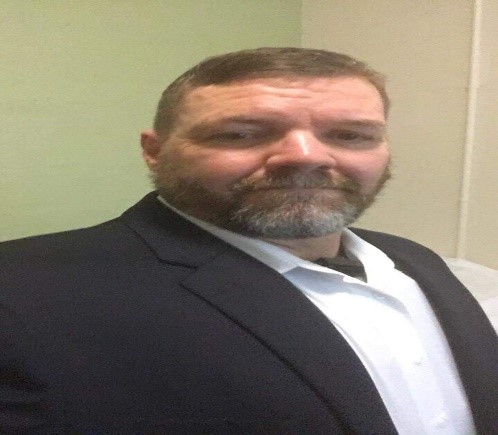 by: Rory HillPublished on: 10/09/2026
Explores protected officer rescue, rapid extraction, and medical support during high-threat incidents.
Officer downExtractionRTFMRTProtective movement
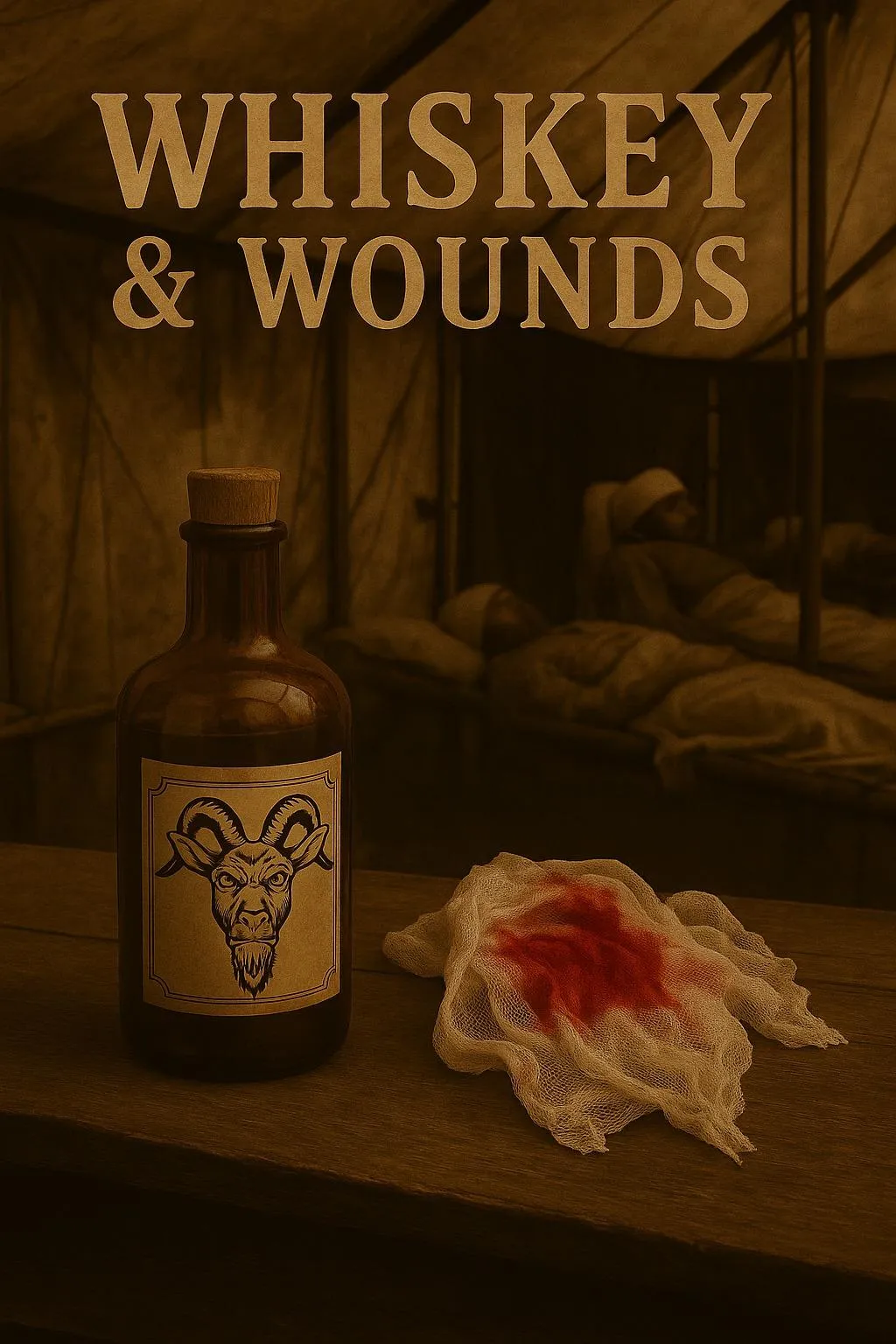
Communication Failures and Interoperability
by: Rory HillPublished on: 25/08/2026Explores how shared channels, plain language, and joint training improve interagency communication.
InteroperabilityCommunicationsDispatchRadioCoordination
Warm and Hot Zone Operations for Non-SWAT Personnel
by: Rory HillPublished on: 04/08/2026Explains how non-SWAT responders can safely operate and deliver care in warm and hot zones.
Warm zoneHot zoneNon-SWATProtective movementSurvivability
The “Scene Safe” Paradigm and Its Failures
by: Rory HillPublished on: 04/08/2026Explains why rigid “scene safe” doctrine delays care and why dynamic risk assessment saves lives.
TECCScene safeEMS doctrineDelayed careRisk management