WHISKEY AND WOUNDS
Insights from the Frontline of Goat-Trail Austere Medicine Solutions
Featured Blog Post
Whiskey and Wounds is the official blog of Goat-Trail Austere Medical Solutions (GAMS), dedicated to reshaping the way we think about tactical medicine, active shooter response, and public safety integration. Here, we challenge outdated protocols, highlight field-proven frameworks like Chaos, Stabilization, Recovery (CSR), and provide real-world insights for law enforcement, EMS, fire, and emergency management professionals. Whether you're on the front lines or behind the scenes, this blog delivers actionable strategies, training philosophy, and hard-won lessons to prepare you for the realities of today’s high-threat environments.
Public Education and Community Preparedness
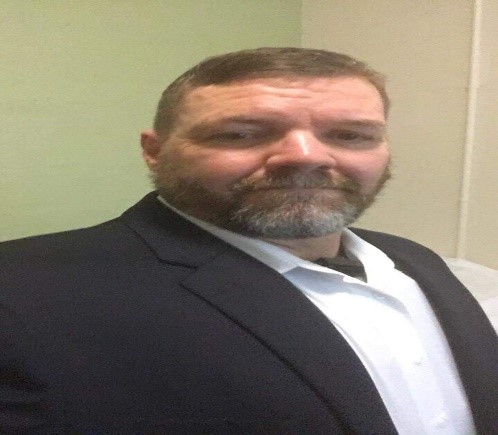 by: Rory HillPublished on: 13/10/2026
Explores how public education, bystander training, reporting, and preparedness improve survivability and community resilience.
Stop the BleedPublic educationCommunityPreparedness
Interagency Training, Exercises, and MOUs
by: Rory HillPublished on: 08/10/2026Explores how joint training, realistic exercises, and clear MOUs strengthen interagency coordination and readiness.
MOUsInteragencyTrainingExercisesICS
Technology Integration in Active Shooter Response
by: Rory HillPublished on: 07/10/2026Explores how drones, digital mapping, responder tracking, and medical telemetry improve situational awareness and response speed.
TechnologyDronesTriage toolsTelemetryOverwatch
Legal, Ethical, and Use-of-Force Considerations
by: Rory HillPublished on: 06/10/2026Explores the legal, ethical, and policy issues shaping medical operations in high-threat environments.
LegalEthicsUse of forceLiabilityEMS policy